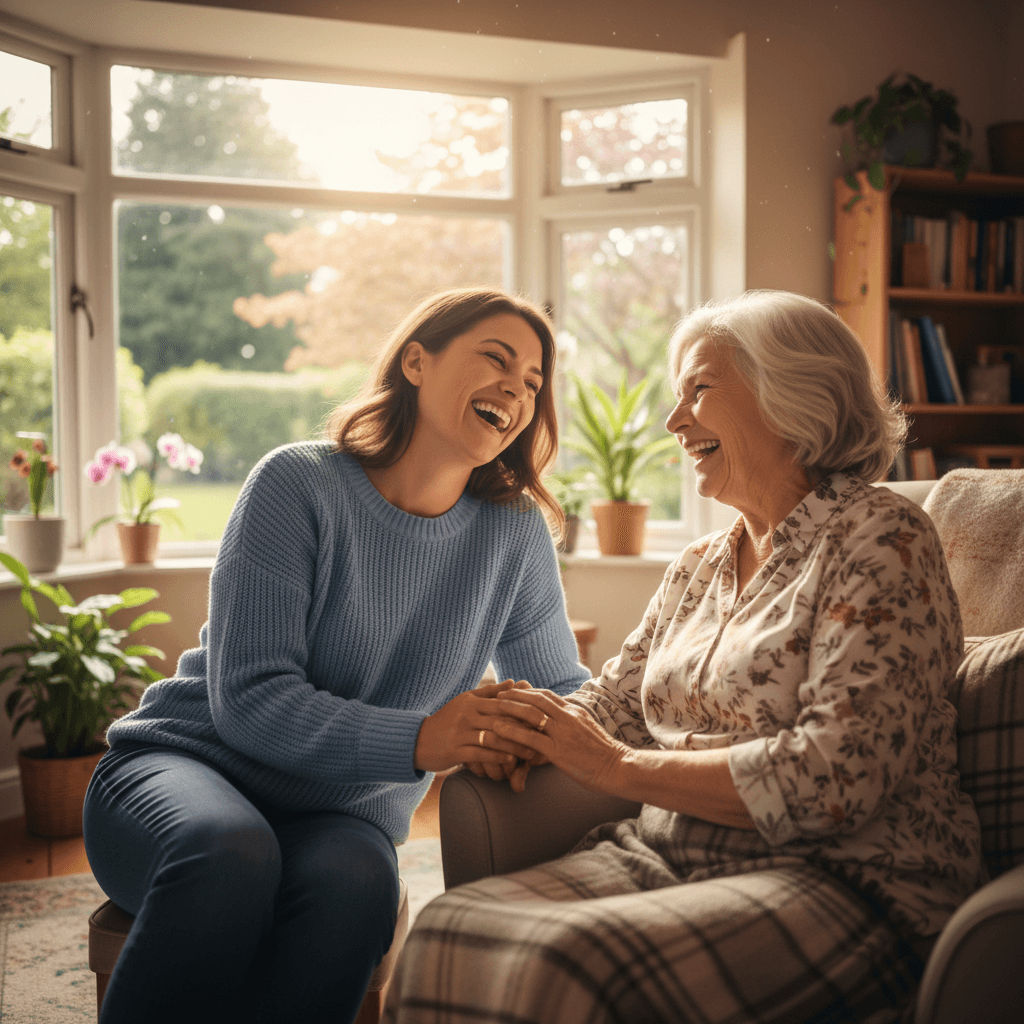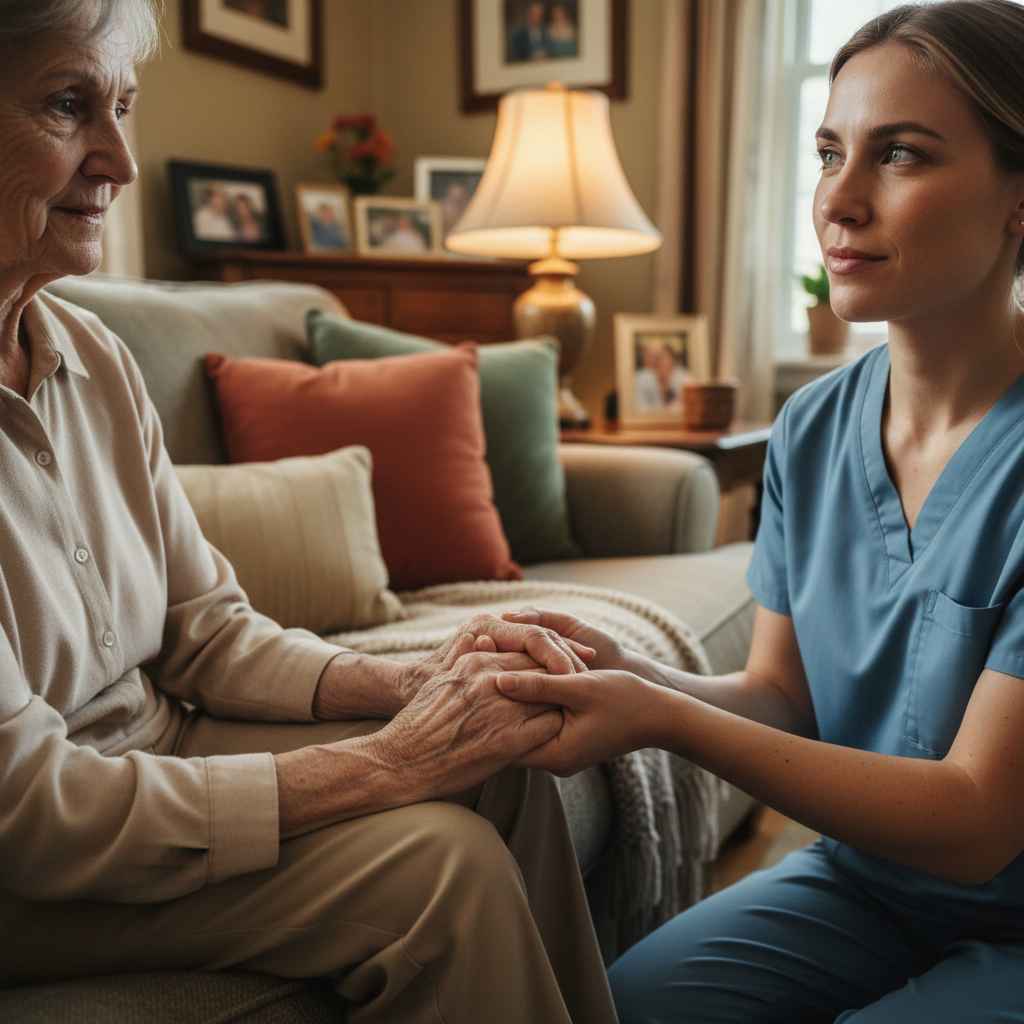
A senior home care job involves assisting elderly individuals with daily living activities such as personal hygiene, meal preparation, and medication reminders. While entry-level roles focus on companion care and household tasks, professionals can advance their careers by becoming Certified Nursing Assistants to provide specialized medical support. This career path offers a unique blend of practical assistance and meaningful social interaction for those dedicated to improving the lives of seniors.
Finding a career that balances professional growth with deep personal fulfillment can feel impossible. Many aspiring healthcare professionals in Colorado want meaningful patient experience before committing to nursing or CNA school. At the same time, countless adults are already doing the work of senior care unpaid, for a parent or loved one, and wonder how to turn that experience into a real career. This guide is for both of you.
Understanding the Senior Home Care Role
A senior home care job involves providing the essential support that allows aging adults to remain in their own homes safely and with dignity. Unlike the fast-paced, clinical environment of a hospital, this work happens in the familiar comfort of a private home.
While these duties are non-medical in nature, the role is a vital healthcare support position. Caregivers are often the first to notice subtle changes in a senior's physical or cognitive health, acting as an essential link between the client, their family, and medical professionals. For many residents in Colorado, Pueblo West senior care services serve as a meaningful starting point for a lifelong career in nursing or geriatric care.
This position offers a unique opportunity to master patient advocacy and the fundamentals of elder care without the distractions of a chaotic ward. It provides a stable foundation for anyone looking to enter the healthcare field while making a direct, measurable impact on the lives of neighbors in our community. If you have questions about how these roles function, you can always contact our team to learn more about the specific needs of local seniors.
Daily Responsibilities: What a Senior Home Care Job Actually Looks Like
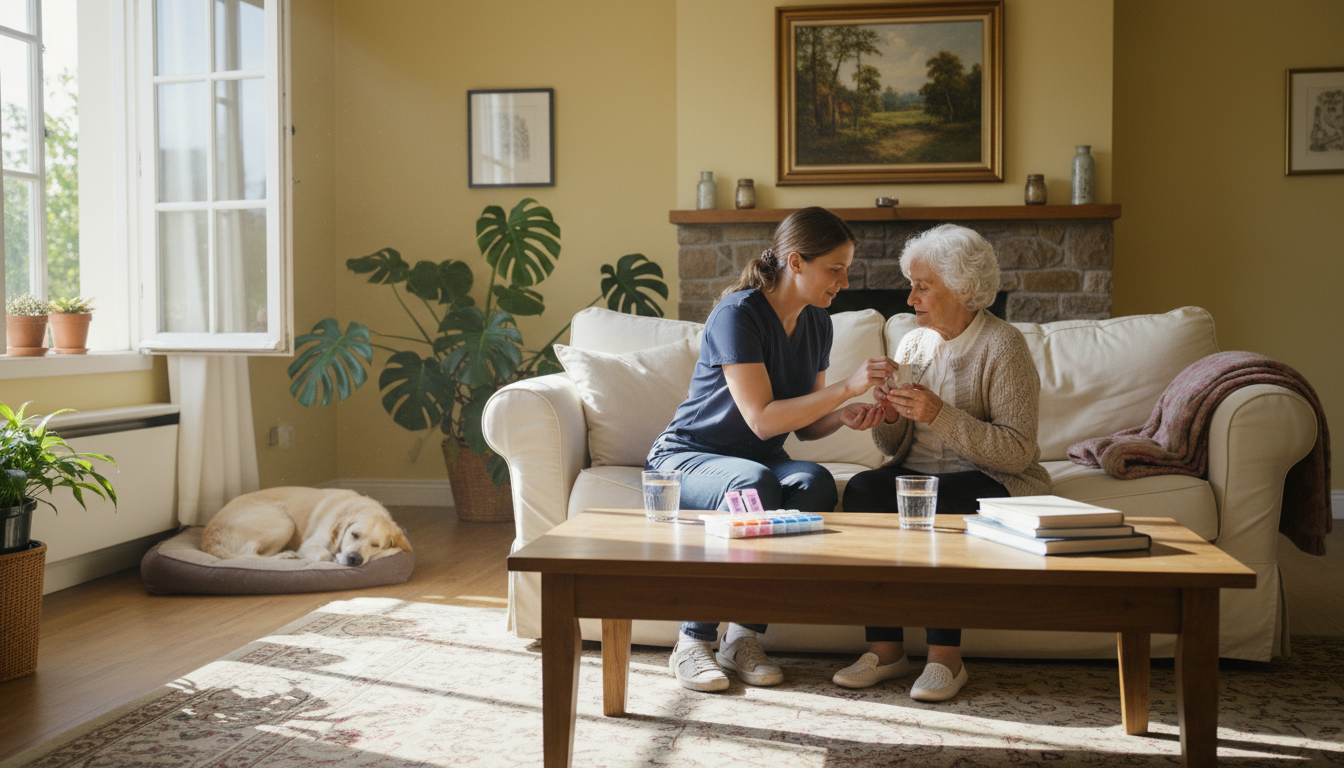
A typical shift in a senior home care job starts with a greeting that sets the tone for the day. While the routine varies based on the specific needs of the individual, the day is usually built around five core pillars of support that address both physical safety and emotional well-being.
Companionship often serves as the most critical element of non-medical in-home care. For many seniors in Pueblo West, social isolation is a significant health risk that can lead to cognitive decline or depression. A caregiver provides mental stimulation through conversation, hobby participation, or simply sharing a meal. This interaction allows the caregiver to assess the client's mood and cognitive clarity, which are vital indicators of their overall health status.
Meal preparation is about more than just convenience. Caregivers ensure that seniors adhere to specific dietary plans, such as low-sodium or diabetic-friendly menus, which are common for those managing chronic conditions. Proper nutrition and consistent hydration prevent hospitalizations related to physical weakness or urinary tract infections. By handling the cooking, caregivers also mitigate the risk of kitchen accidents involving hot surfaces or sharp utensils.
Light housekeeping is a safety intervention disguised as a chore. Removing clutter from walkways, ensuring area rugs are secure, and keeping floors dry are direct ways to prevent falls. In Pueblo West senior care services, fall prevention is a top priority; a single fracture can permanently change a senior’s level of independence. Keeping the environment clean also reduces the risk of respiratory issues and infections.
Medication reminders provide a layer of safety for seniors with complex schedules. While caregivers do not administer medications, they ensure the client takes the correct dose at the prescribed time. This prevents the common issue of missed doses or accidental double dosing, which can lead to dangerous adverse reactions.
Personal care, including assistance with bathing, grooming, and dressing, preserves a senior’s dignity and hygiene. It also provides a regular opportunity for the caregiver to monitor skin integrity for signs of pressure sores or poor circulation. Each of these tasks is performed with a focus on respect, ensuring the home remains a sanctuary rather than a source of stress. If you would like to discuss how these tasks fit into a specific care plan, you can contact our team for more details.
The Three Most Important Skills for Senior Caregivers
While mastering the routine tasks of meal preparation and housekeeping is essential, the success of a senior home care job relies heavily on intangible soft skills. These interpersonal abilities ensure that the care provided is not just functional but also supportive and proactive.
Empathy serves as the foundation for high-quality non-medical in-home care. Aging often involves frustrating changes in mobility and independence. A caregiver who approaches their work with empathy understands that a senior’s resistance to a new routine often stems from fear or grief rather than simple stubbornness. This emotional intelligence allows the caregiver to build trust, which makes physical tasks like personal care much more respectful and comfortable for the client.
Communication is frequently misunderstood as simply being a good conversationalist. In professional caregiving, communication involves active observation and detailed reporting. Caregivers are the primary monitors of a senior's baseline health. If a client shows unusual fatigue, a sudden change in mood, or a slight decrease in appetite, the caregiver must articulate these shifts to the family or the agency coordinator immediately. This level of vigilance is a core component of Pueblo West senior care services, as it prevents minor issues from escalating into medical emergencies.
Finally, reliability is non-negotiable. Seniors often have rigid schedules for meals and medications; their sense of security is tied directly to consistency. A caregiver who arrives on time and follows through on every detail of the care plan provides the stability necessary for a senior to thrive at home. Families in our community need to know their loved ones are never left without support. If you have questions about the specific traits we look for in our team, you can contact our team to learn more.
CNA vs Home Care Aide: Comparing the Career Paths
Beyond these soft skills, understanding the formal distinctions between professional roles is crucial for anyone planning their career in the local healthcare landscape. Choosing between becoming a Certified Nursing Assistant (CNA) and a Home Care Aide is a common crossroads. While both roles are dedicated to elder support, their scopes of practice and daily environments differ significantly.
A CNA is trained and state certified to provide basic nursing care under the supervision of a Registered Nurse. This includes clinical tasks such as checking blood pressure, monitoring pulses, or assisting with wound care. These professionals are frequently found in high volume settings like regional medical centers or skilled nursing facilities where they manage large patient loads in a fast paced environment.
In contrast, a Home Care Aide focuses on the holistic, non-medical in-home care that allows a senior to remain independent. At Superior Senior Support, our aides prioritize the environment and the individual’s daily routines. Rather than moving from room to room in a clinical ward, a professional in a senior home care job spends their entire shift with one person. This one-on-one focus is why many CNAs actually transition into home care; it offers a slower, more deliberate pace that facilitates deeper relationship building than a hectic hospital floor can provide.
Feature | Home Care Aide | Certified Nursing Assistant (CNA) |
|---|---|---|
Primary Focus | Lifestyle support and safety | Clinical assistance and vitals |
Environment | Private residences | Hospitals and nursing homes |
Patient Ratio | One-on-one care | Multi-patient assignments |
Medical Tasks | Medication reminders only | Direct clinical care under supervision |
The path you choose depends on your long term goals. Many individuals start as aides to gain experience before pursuing a home health aide certification. This credential can act as a bridge, allowing an aide to perform certain basic health related tasks while maintaining the personalized, home based approach found in Pueblo West senior care services. If you are unsure which path aligns with your current skill set, you can contact our team to discuss the specific requirements of our support roles.
How Home Care Experience Benefits Future Nurses and CNAs
Entering a nursing program or a CNA certification course requires more than academic knowledge; it requires proof of commitment to patient care. For students in Colorado, a senior home care role offers exactly that proof, with flexible hours that fit around coursework.
If you are already caring for an aging parent or family member, you have been building this same skill set without a title. The step from unpaid family caregiving to a paid, structured home care role is often smaller than it feels. Your day to day experience with meals, safety, medication schedules, and companionship is the core of what a professional in home care aide does every shift. Turning that lived experience into a formal position gives you income, support, and a clear pathway toward certification.
When drafting an in-home caregiver job description for a resume, you can highlight several clinical-adjacent skills that are highly valued by nursing admissions boards and hospital recruiters:
Patient Advocacy: Developing the ability to identify and communicate subtle changes in a client's status to families or supervisors.
Dementia Care Literacy: Navigating the communication challenges and behavioral frustrations often associated with memory loss.
Interdisciplinary Collaboration: Learning how a caregiver's observations fit into the broader care plan managed by doctors and nurses.
Many individuals seek out senior home care jobs with no experience as a strategic way to test their aptitude for healthcare before investing in expensive tuition. Starting with non-medical in-home care provides a realistic view of the industry while proving you can handle the responsibility of another person’s safety. If you are a student looking to strengthen your healthcare resume through Pueblo West senior care services, you can contact our team to learn how to begin this career path.
Common Questions About Working in Senior Home Care
Many prospective employees weigh their options before committing to a senior home care job. Clear answers help set realistic expectations for a career in the local care industry.
Is a home health aide role better than a CNA path? The answer depends entirely on your professional goals. A non-medical in-home care role is often ideal for those who value deep, one-on-one connections and a consistent, calm environment. If you prefer high-intensity medical variety and working in a team of clinicians within a hospital, the CNA path may be a better fit. Many find that starting in home care provides the best work-life balance while gaining foundational experience.
What is the typical hourly rate for a senior carer? In Colorado, rates vary based on experience, specific certifications, and the complexity of the client's needs. Generally, entry-level roles provide competitive wages that align with regional healthcare support standards. Those with specialized training in dementia care or long-term experience often command higher compensation within the market.
What can a CNA do that a home health aide cannot? A CNA operates under a clinical license and can perform tasks such as taking vital signs, assisting with certain medical equipment, and documenting clinical observations in a formal medical record. A home care aide focuses on the social and environmental factors of Pueblo West senior care services, such as nutrition, hygiene, and fall prevention. To discuss specific openings or requirements for these roles, you can contact our team at any time.